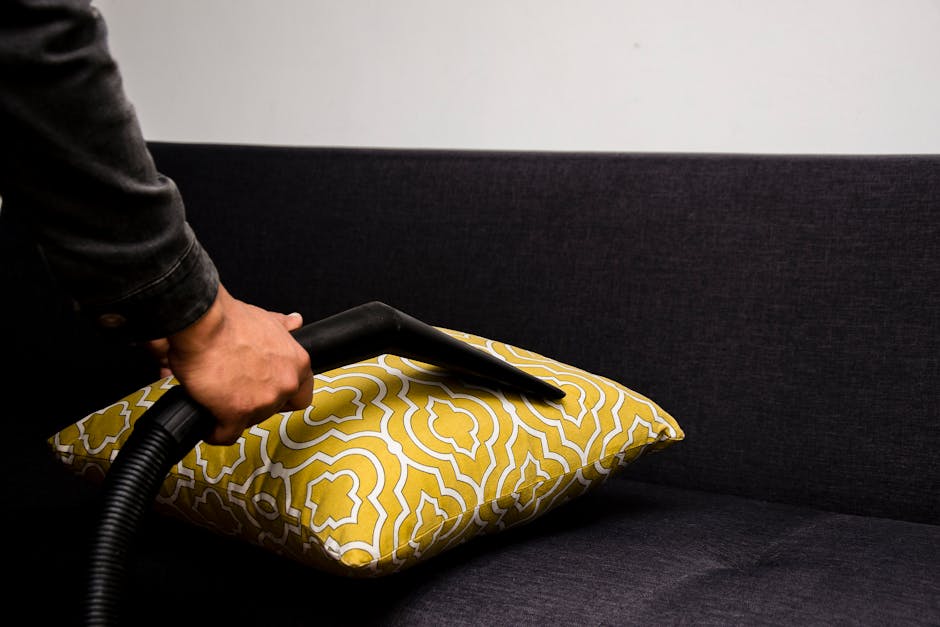
Sofa cleaning in Westcombe Park estates and Maze Hill

If your sofa has started to look a bit tired, you are not alone. In Westcombe Park estates and Maze Hill, everyday life leaves its mark quickly: muddy shoes after a wet commute, takeaway spills on a Friday night, pet hair in the seams, and that faint "lived-in" smell that nobody wants to admit is there. Sofa cleaning in Westcombe Park estates and Maze Hill is about more than appearance. It is about comfort, hygiene, fabric care, and keeping a well-used home feeling fresh without replacing furniture too soon.
This guide explains what professional sofa cleaning involves, when it makes sense, how the process works, and what to watch for with different upholstery types. You will also find practical tips, a comparison of methods, and a realistic checklist you can use before booking. If you are comparing services, it can help to look at sofa cleaning alongside broader upholstery cleaning options, especially if your chairs, footstools, or headboards need attention too.
Why Sofa cleaning in Westcombe Park estates and Maze Hill Matters
A sofa takes more punishment than most people realise. It collects body oils, dust, crumbs, pollen, pet dander, and the occasional mystery mark that appears overnight. In a busy home, that build-up can make upholstery look dull long before the fabric is actually worn out. Let's face it, a sofa is usually the centre of the room, so when it looks grubby the whole space feels less welcoming.
In homes around Westcombe Park estates and Maze Hill, the challenge is often a mix of urban dust, family use, and compact living spaces where soft furnishings work hard. Flats, maisonettes, and family homes all have their own demands, but the pattern is similar: people want something that is clean, safe for the fabric, and done properly the first time. That is where planned sofa cleaning makes a real difference.
There is also the practical side. Regular cleaning can help remove odours from food, smoke residue, pets, and day-to-day living. If you have guests over, or you simply want your living room to feel calmer and less stale, it can change the feel of the room almost immediately. A freshly cleaned sofa has that quiet, almost "new room" effect. Not flashy. Just nicer.
If stains are part of the problem, targeted stain removal work may be needed alongside a full clean, because not every mark responds the same way.
How Sofa cleaning in Westcombe Park estates and Maze Hill Works
Professional sofa cleaning is usually a structured process, not a quick spray-and-wipe. The aim is to clean deeply without damaging fibres, colour, or internal filling. A good technician will start by identifying the fabric, the condition of the upholstery, and any visible problem areas. That first assessment matters more than people think.
Most cleaning visits follow a similar sequence:
- Inspection: The sofa is checked for fibre type, wear, stains, and colour fastness. This step helps decide which method is safe.
- Dry soil removal: Loose dirt, crumbs, and hair are removed from cushions, seams, and edges. This prevents grime from turning into sludge during cleaning.
- Pre-treatment: Marks, traffic areas, and greasy spots are treated with suitable solutions. Pet issues may need more specific treatment, and that is where pet stain odour removal becomes useful.
- Main clean: Depending on the fabric, the sofa may be cleaned using hot water extraction, low-moisture methods, or specialist upholstery techniques.
- Rinse or residue control: Remaining cleaning agents are reduced as much as possible so the fabric does not feel sticky afterwards.
- Final grooming and drying advice: Cushions are reset, fibres are groomed, and the homeowner is told how long drying is likely to take.
Most of the time, the difference between a decent result and a really good one comes down to judgement. Too much water is bad. Too much chemical is also bad. Using the wrong brush can leave fabric looking fuzzy. So yes, the process sounds simple, but the decision-making is where experience shows.
For some interiors, sofa cleaning is paired with broader upholstery cleaning so matching items in the room look consistent rather than half-finished.
Key Benefits and Practical Advantages
The biggest benefit is obvious: a cleaner sofa looks better. But the more useful gains are usually the less visible ones. A properly cleaned sofa can feel softer, smell fresher, and hold up better over time because embedded grit is removed before it acts like sandpaper on the fibres.
- Better appearance: Colours look brighter and fabric patterns are easier to see again.
- Improved hygiene: Regular cleaning removes dust, allergens, and everyday residue that vacuuming alone may miss.
- Odour reduction: Food, pet, and general household smells are reduced rather than covered up.
- Longer upholstery life: Removing embedded dirt helps reduce wear on the fabric surface.
- More comfortable living space: A clean sofa changes the feel of the whole room, especially in the evening when the lighting is softer and every mark seems to show.
There is also a practical money angle, even if nobody loves talking about it. Replacing a quality sofa is expensive. Cleaning it at the right time can postpone that decision for years. In our experience, people often wait until the sofa looks beyond saving, but most of the time it is not as far gone as it seems. A deep clean can be surprisingly restorative.
Expert summary: The best sofa cleaning is not the most aggressive one. It is the one that removes soil safely, respects the fabric, and leaves the upholstery fresh enough to use again without that damp, over-treated feeling.
Who This Is For and When It Makes Sense
Sofa cleaning in Westcombe Park estates and Maze Hill is a good fit for a wide range of households, but the reasons vary. Some people need it after a spill. Others book it as part of routine home care. And some simply get to the point where the sofa feels grimy no matter how often they vacuum it. Sound familiar?
This service is especially useful if you:
- have children and the sofa sees constant daily use
- own pets that shed hair or leave odours behind
- rent out a property and want the furniture to present well
- host visitors often and care about the look of the living room
- have light-coloured upholstery that shows marks quickly
- notice smells lingering even after regular cleaning
- have experienced a spill that has settled into the fibres
It also makes sense before special occasions, after a period of illness, or before moving in or out of a property. A lot of people only think of upholstery cleaning when there is an obvious stain. Truth be told, the earlier you act, the easier the work usually is.
If your furniture is part of a broader refresh, it may be worth looking at carpet cleaning too, because a spotless sofa next to a tired carpet can make the room feel oddly unfinished.
Step-by-Step Guidance
If you are preparing for a visit or simply want to understand what good sofa cleaning looks like, the following process is a sensible benchmark.
1. Identify the fabric
Start by checking the care label if it is available. Natural fibres, synthetic blends, velvet, suede-effect materials, and delicate weaves all behave differently. If you are unsure, do not guess. A safe method on the wrong fabric can still leave marks, shrinkage, or texture changes. That is the bit people regret later.
2. Vacuum thoroughly
Before any wet cleaning, remove dry dirt from seams, under cushions, and around piping. This stops loose debris from turning into muddy residue. A handheld tool or upholstery attachment works well here.
3. Spot-test first
Any solution should be tested in a hidden area. It is boring advice, yes, but it saves a lot of stress. If the dye shifts or the pile changes, you know before the whole sofa is treated.
4. Pre-treat visible marks
Grease, food, drink, and pet-related stains often need separate treatment before the main clean. A good stain is never just "a stain" to a technician. It has a cause, and the cause matters.
5. Choose the right cleaning method
Hot water extraction is common for many upholstered items, but not every sofa is suitable. Some fabrics do better with lower-moisture methods or a carefully controlled hand-clean. The right choice depends on fibre type, construction, and soiling level.
6. Manage drying properly
After cleaning, air movement and room ventilation help the fabric dry evenly. Open windows if weather allows, but avoid trapping moisture in a closed room. Nobody wants that slightly soggy sofa smell a few hours later.
7. Finish by grooming and protecting
Once dry, the pile may be brushed back into place. Some people also choose protective treatment, though that depends on the fabric and household needs. It is best to keep expectations sensible; protection helps, but it is not a force field.
Expert Tips for Better Results
A few small choices can make a big difference. These are the things that tend to separate a tidy result from a really satisfying one.
- Act fast on spills. Blot, do not rub. Rubbing pushes the stain deeper and can distort the pile.
- Keep cushions rotated. This helps wear look more even, especially on family sofas.
- Use the right vacuum setting. Too much suction on delicate fabric can be unhelpful.
- Do not overload with product. More cleaning solution does not mean more cleaning power. Often it means more residue.
- Watch sunlight exposure. In bright rooms, uneven fading can be mistaken for dirt, but cleaning will not reverse fading.
- Schedule cleaning before the sofa looks awful. That sounds obvious, but many people wait until the fabric is visibly grey around the arms and seat base.
One useful habit is to make cleaning part of seasonal home care. Early spring and the darker months both tend to show up upholstery issues for different reasons. In spring, you notice dust and winter build-up. In winter, the sofa gets more use and more spills. A bit annoying, really, but predictable.
If odour is part of the issue, especially with pets, a specialist approach is usually better than masking it with fragrance. Smell is stubborn. It lingers in the fibres and padding, not just on the surface.
Common Mistakes to Avoid
Most sofa-cleaning problems come from overconfidence. That is probably the polite way to put it. People see a stain, grab the nearest cleaner, and hope for the best. Sometimes it works. Often it does not.
- Using the wrong product on the fabric: Some cleaners are too harsh for delicate fibres or dyed materials.
- Over-wetting cushions: Too much moisture can lead to long drying times, water marks, or internal odour.
- Scrubbing hard: This can roughen the fabric and spread the stain.
- Ignoring the care label: The label exists for a reason, even if it is tiny and awkwardly sewn in.
- Cleaning only the stain, not the surrounding area: This can leave rings or patchy results.
- Putting cushions back too soon: Trapped damp can undo good work quickly.
Another common mistake is trying to make a sofa look brand new when the fabric has already worn down. Good cleaning improves what is cleanable. It does not repair threadbare areas or sun damage. That distinction matters, because honest expectations save disappointment.
Tools, Resources and Recommendations
You do not need a truck full of equipment to maintain upholstery between professional visits, but the right basics help. A soft brush, a decent vacuum with upholstery attachments, white microfibre cloths, and a gentle blotting approach will take you a long way.
If you are comparing services, useful things to review include:
- pricing and quote information so you understand what is included
- insurance and safety information for peace of mind when work is carried out in your home
- health and safety guidance if you want to know how the company approaches safe working practices
- recycling and sustainability if environmentally responsible methods matter to you
Those pages are not exciting reading, to be fair, but they do help you compare providers like a sensible adult and not just by whoever shouts the loudest. If you have a tricky stain, a technician who also understands stain removal generally offers more flexible treatment choices than a one-product-fits-all approach.
Law, Compliance, Standards, or Best Practice
For residential sofa cleaning, there is usually no special legal hurdle for the homeowner, but there are still sensible standards to expect. The provider should work carefully, explain any fabric risks, and avoid causing damage through poor method selection. That sounds basic, and it is, but basics are where trust is built.
In the UK, good practice usually includes clear communication about drying times, fabric suitability, and any limitations before work starts. If detergents or treatments are used, they should be applied responsibly and in line with the product instructions. Safety should also be considered where people, pets, or vulnerable occupants are in the property.
When cleaning is being done in shared buildings or managed estates, courtesy matters too. Noise, access, wet floors, and ventilation can all affect neighbours or building staff. It is not a legal lecture, just common sense. A smooth visit is usually the one where the cleaner is organised and the household knows what to expect.
For business or landlord settings, good record-keeping, transparent terms, and clear payment arrangements are especially helpful. If you want to review practical service conditions, the terms and conditions and payment and security pages are worth a look.
Options, Methods, or Comparison Table
Different sofas need different methods. Here is a practical comparison to help you understand what tends to suit what. No magic. Just the usual trade-offs.
| Method | Best for | Advantages | Watch-outs |
|---|---|---|---|
| Hot water extraction | Many synthetic upholstery fabrics and deeply soiled sofas | Strong soil removal, good for embedded dirt and general freshness | Not ideal for every delicate fabric; drying time needs management |
| Low-moisture upholstery cleaning | Sofas needing quicker turnaround or more delicate handling | Reduced drying time, often safer on sensitive materials | May be less powerful on heavy soiling or old, set-in grime |
| Hand-cleaning and targeted stain treatment | Spot issues, delicate trims, smaller problem areas | Precise, fabric-aware, useful for detailed work | Less suited to whole-sofa deep cleans on heavily used items |
| Odour-focused treatment | Pet homes and persistent smells | Helps address the source of odours rather than masking them | Requires realistic expectations if odour has penetrated deeply |
For many homes, the best answer is a combination rather than a single method. A sofa with one drink stain, a bit of pet smell, and general dust build-up may need different treatments in different zones. That is normal.
Case Study or Real-World Example
Here is a realistic example from the kind of job that comes up often in this area. A family in a flat near Maze Hill had a two-seat fabric sofa that looked dull, especially on the front edges and seat cushions. There was no single disaster. Just life. A bit of food residue, light pet odour, and a couple of dark marks from hands and drinks.
The cleaning approach started with a careful fabric check and dry vacuuming, then targeted pre-treatment on the armrests and seat area. The main clean was kept controlled so the cushions would not stay wet for too long in a compact living space. The family had one window open, the heating on low, and a fan moving air around the room. Simple, but effective.
What changed most was not just the colour of the fabric. It was the smell. By the next day, the room no longer had that stale background note that had crept in unnoticed. The sofa looked lighter, the pile had been lifted, and the room felt more finished again. Not showroom perfect, because real homes are not showrooms. But genuinely fresher.
This is the kind of result many people want and rarely say out loud: not perfection, just a sofa that feels pleasant to sit on again.
Practical Checklist
Use this checklist before booking or before starting any sofa clean yourself. It keeps things calm and stops a rushed approach.
- Check the fabric care label if available
- Vacuum all cushions, seams, and under-seat areas
- Identify visible stains and note what may have caused them
- Decide whether the issue is dirt, odour, staining, or all three
- Test any cleaner in a hidden area first
- Keep pets and children away from the damp sofa until it is dry
- Allow for enough ventilation and drying time
- Avoid scrubbing aggressively
- Rotate and refit cushions only when the fabric is dry enough
- Consider whether matching items also need attention, such as rugs or curtains
If your sofa is part of a wider refresh, a nearby rug cleaning or curtain cleaning appointment can make the whole room feel more cohesive. Small thing, big effect.
Get a free quote today and see how much you can save.
Conclusion
Sofa cleaning in Westcombe Park estates and Maze Hill is one of those jobs that quietly improves everyday life. It makes rooms look better, helps upholstery last longer, and gets rid of the sticky, dusty, lived-in feel that builds up over time. The best results come from understanding the fabric, choosing the right method, and treating stains and odours properly rather than rushing in with whatever cleaner is closest to hand.
If you only take one thing from this guide, let it be this: a sofa rarely needs guesswork. It needs the right approach. Once that is in place, the whole room feels easier to live in, and that is a pretty good outcome, honestly.
Frequently Asked Questions
How often should I arrange sofa cleaning in Westcombe Park estates and Maze Hill?
That depends on how heavily the sofa is used. For a busy family home or pet household, regular professional cleaning every so often makes sense. If the sofa is lightly used, you may be able to wait longer. The main clue is appearance and smell, not just the calendar.
Can all fabric sofas be cleaned the same way?
No. Fabric type matters a lot. Cotton blends, synthetics, velvet, and delicate upholstery all behave differently. A proper inspection should come before any cleaning method is chosen.
Will sofa cleaning remove old stains?
Sometimes yes, sometimes partially, and sometimes not fully. It depends on the stain type, how long it has been there, and whether it has already set into the fibres or padding. Honest assessment matters here.
How long does a cleaned sofa usually take to dry?
Drying time varies by method, fabric, room temperature, and airflow. Low-moisture methods tend to dry faster, while deeper wet cleans need more time. Good ventilation helps a lot.
Is sofa cleaning safe for homes with children or pets?
It can be, provided suitable products are used and the sofa is allowed to dry properly before use. If you have pets, it is especially important to address odours at the source rather than just masking them.
What is the difference between sofa cleaning and upholstery cleaning?
Sofa cleaning focuses on sofas specifically, while upholstery cleaning covers a wider range of soft furnishings such as chairs, footstools, and other upholstered items. If more than one item needs attention, upholstery cleaning may be the broader option.
Can I clean a sofa myself?
You can handle light maintenance yourself, such as vacuuming and gentle spot-blotting. But for deep soiling, stubborn stains, or delicate fabrics, professional cleaning is usually the safer choice. It is easy to make a small mess bigger.
What should I do before the cleaner arrives?
Move small items off the sofa, clear access to the room, and note any specific stains or concerns. If you have a care label, keep it handy. That saves time and helps with fabric checks.
Does sofa cleaning help with smells?
Yes, especially when the odour is caused by built-up soil, food residue, or pet-related issues. Strong or long-standing smells may need targeted treatment, not just a standard clean.
How do I know if my sofa needs professional cleaning or just a vacuum?
If the sofa looks dull, feels slightly grimy, smells stale, or has visible marks that vacuuming does not fix, it is probably time for a deeper clean. Vacuuming is useful, but it does not tackle everything.
Will cleaning damage delicate upholstery?
It can if the wrong method is used, which is why fabric testing and careful technique are important. A good cleaner will choose the method based on the upholstery rather than forcing one standard process.
Can I combine sofa cleaning with other home cleaning services?
Yes, and it often makes sense. Many people pair sofa cleaning with carpet or rug care so the whole room feels refreshed together rather than piecemeal.
When you are ready, a thoughtful clean can make your living room feel calmer, brighter, and easier to enjoy. Sometimes that is all a home needs. Just a proper reset.