Real cost of emergency flood cleaning in Greenwich homes
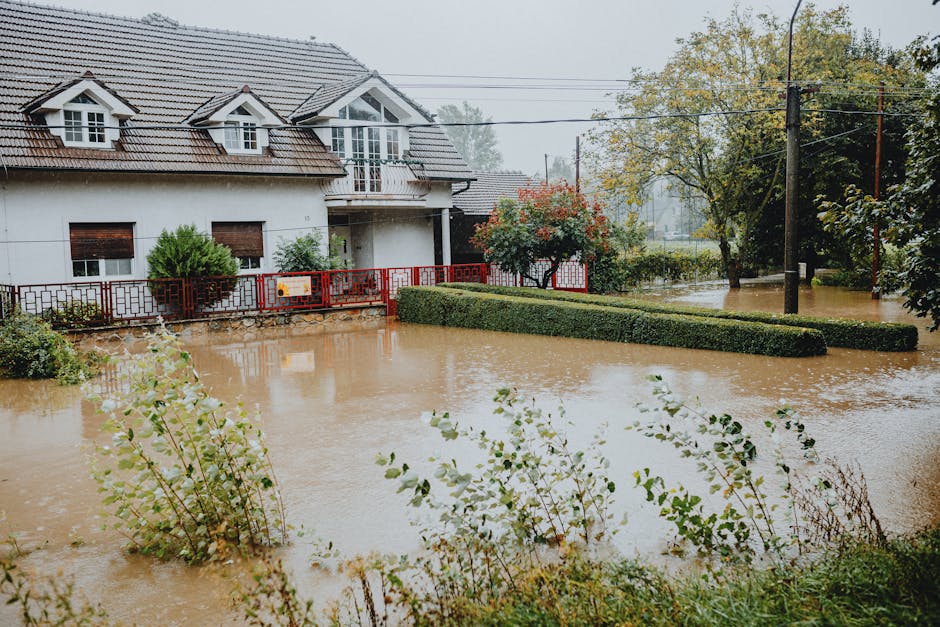
If water has poured into your home, the first question is usually not technical. It is blunt and personal: how much is this going to cost me? The real cost of emergency flood cleaning in Greenwich homes depends on more than the visible mess. It can change with the source of the water, how quickly you call for help, what has been damaged, and how much drying or specialist cleaning is needed afterwards.
This guide breaks that down in plain English. You will see what emergency flood cleaning actually includes, why costs rise fast, how the process works, what homeowners in Greenwich should look out for, and how to avoid paying for avoidable mistakes. There is no fluff here. Just the practical stuff you need when the floor is wet, the air smells damp, and time is not on your side.
- Why the cost matters
- How emergency flood cleaning works
- Key benefits and practical advantages
- Who this is for and when it makes sense
- Step-by-step guidance
- Expert tips for better results
- Common mistakes to avoid
- Tools, resources and recommendations
- Law, compliance, standards or best practice
- Options, methods, or comparison table
- Case study or real-world example
- Practical checklist
- Conclusion
- Frequently asked questions
Why Real cost of emergency flood cleaning in Greenwich homes Matters
The real cost of emergency flood cleaning in Greenwich homes is rarely just the call-out fee. It is the total of all the little things that follow: water extraction, drying equipment, antimicrobial treatment where needed, moving furniture, protecting salvageable items, and sometimes extra work on carpets, rugs, sofas, curtains, or mattresses. Miss one step and the price can creep up later, usually in the annoying way nobody enjoys.
Greenwich homes are a mixed picture. You will find period properties, flats, converted houses, newer developments, and homes with tight hallways or awkward access. That matters because access affects labour time, equipment placement, and how quickly a team can work. A flooding issue on a third-floor flat with narrow stairs is not the same as a ground-floor terrace with easy entry. Not even close, to be fair.
It also matters because flood damage gets worse with time. Clean water can become grey water. Grey water can become a serious hygiene problem. A carpet that seemed "just damp" at 9am can smell musty by evening, and then you are no longer paying for cleaning alone; you are paying to undo avoidable damage. That is the unpleasant truth of it.
If you are trying to judge value rather than panic over a quote, start by looking at what is included, not just the headline number. Good providers are usually clear about the scope, the drying plan, and whether soft furnishings or carpet fibres need specialist treatment. If you need to understand how a provider presents pricing more broadly, their pricing and quotes guidance can be a useful reference point.
How Real cost of emergency flood cleaning in Greenwich homes Works
Emergency flood cleaning is a process, not a single job. In most homes, it begins with inspection and risk assessment. The cleaner or restoration team checks where the water came from, how far it has travelled, what materials are affected, and whether any electrics, underlay, or furniture are at risk. That early assessment drives the cost.
Then comes extraction. Standing water is removed where possible, usually with wet vacuum equipment or similar extraction tools. After that, the job shifts into drying. Fans, air movers, and dehumidification may be used to reduce moisture in carpets, flooring, walls, and the room air. If there is contamination, additional cleaning or sanitising steps may be recommended.
Here is the bit many people miss: the visible floodwater is often only part of the problem. Water can travel beneath skirting boards, soak underlay, and sit in hidden pockets. The room may look almost fine after surface cleaning, but not be dry enough underneath. And that is where costs begin to rise, because hidden moisture is where mould and odour problems like to settle in.
In practical terms, the final bill tends to reflect five broad factors:
- How much water there is and how deep it has spread
- What kind of water it is - clean supply water, appliance overflow, or contaminated water
- What materials are affected - carpet, underlay, hardwood, laminate, upholstery, walls
- How quickly the response starts
- How much drying and follow-up treatment is needed
Sometimes a homeowner thinks they need only a quick clean, but the sensible answer is a structured drying and restoration plan. That is often the difference between a manageable bill and a much bigger one later. The honest cost is not just the first invoice; it is the cost of preventing future damage.
Key Benefits and Practical Advantages
Yes, emergency flood cleaning costs money. But the right response can save money too, and that is where people sometimes breathe easier after the first shock. A proper clean and dry-out can reduce the need for replacement carpet, stop odours from settling in, and limit the chance of mould growth in hidden spaces.
There is also the time factor. Flooding is disruptive. School bags end up on chairs, cats stare suspiciously at the noise of a dehumidifier, and the whole room starts to feel off. A fast response gets normal life back sooner, which is worth more than most people admit at the outset.
Some of the strongest practical advantages are straightforward:
- Lower total repair costs by catching moisture before it spreads
- Better salvage rates for carpets, rugs, and soft furnishings
- Improved indoor air quality once damp and odour are dealt with
- Less disruption for families, tenants, and home-working households
- More predictable decision-making because you know what is damaged and what is not
Where flood water has marked or stained carpets or furniture, targeted treatments can sometimes help restore appearance without a full replacement. For example, if a room also needs standard fabric care after the flooding is dealt with, related services such as carpet cleaning, upholstery cleaning, or steam carpet cleaning may become relevant depending on the material and the extent of contamination.
Who This Is For and When It Makes Sense
This service is for anyone whose home has had unexpected water intrusion. That could be a burst pipe, appliance leak, overflowing bath, heavy rain getting in through a roof or doorway, or a plumbing fault in a flat. If the water has entered soft furnishings or flooring, emergency flood cleaning is usually worth considering quickly.
It makes especially good sense if:
- The water has been sitting for more than a short time
- Carpet, rug, sofa, or mattress fabric has been affected
- There is a damp smell already, even if the surface looks fine
- You are unsure whether the water is clean or contaminated
- You can see staining, bubbling, or lifting in flooring
For landlords and managing agents in Greenwich, speed matters even more because delays can complicate tenant relations and increase the chance of disputes. A clean, documented response is easier to explain and easier to justify. Homeowners with pets, children, or allergies also tend to notice the benefits sooner, especially when the room has been re-opened and the air no longer feels heavy.
If flood water has touched a sofa or armchair, you may also want to explore whether a dedicated soft-furnishing clean is needed afterwards. The same goes for rugs, where moisture can get trapped in backing layers. In those cases, pages like sofa cleaning and rug cleaning may be useful to review alongside the restoration plan.
Step-by-Step Guidance
If flood damage hits your home, the first hour matters more than most people expect. You do not need to do everything perfectly. You just need to do the sensible things in the right order.
- Stay safe first. If there is standing water near sockets or appliances, do not wade through it casually. If you are unsure, keep clear until the area is safe.
- Stop the source if you can. Turn off the water supply if the problem is internal and you know where the isolation valve is.
- Move valuables and dry items. Lift rugs, cushions, loose fabrics, and anything that can be saved without dragging more water around.
- Take clear photos. This helps with your own records and any later insurance discussion. Simple, time-stamped pictures are enough.
- Blot, do not scrub. If you are dealing with surface moisture, gentle blotting is better than rubbing the area into a bigger mess.
- Call for emergency flood cleaning quickly. Faster response usually means less hidden damage and a more manageable overall cost.
- Ask what is included. Clarify extraction, drying, sanitising, furniture movement, and follow-up visits before you agree.
- Check drying progress. A room can look tidy long before it is genuinely dry.
A useful rule of thumb: if you can still feel cool moisture in the underlay or smell damp after the visible water is gone, the job is not finished. It might look finished. It usually is not.
Expert Tips for Better Results
In our experience, the best flood-cleaning outcomes come from a calm, structured response. A lot of the cost difference comes down to speed and clarity. The more clearly you describe the incident, the easier it is for a cleaner or restoration team to bring the right equipment and avoid guesswork.
Here are a few practical tips that genuinely help:
- Be specific about the water source. A leaking washing machine and rain ingress may not need the same treatment.
- Tell them what flooring you have. Carpet over underlay behaves differently from laminate or bare boards.
- Ask how moisture will be checked. Good teams do not just rely on touch and appearance.
- Keep the room as clear as possible. Less time moving items means more time dealing with the actual flood damage.
- Let the drying plan run its course. Stopping early can be a false economy.
Another small but important point: odour can lag behind visible drying. A room may smell a bit off for a day or two after the main extraction, especially if textiles were wet. That is not always a sign of failure, but it is a sign you should keep monitoring the space carefully.
To be fair, nobody plans for a flood at 7:30 on a wet Tuesday morning. But the households that deal with it best are usually the ones that act quickly and avoid improvising too much.
Common Mistakes to Avoid
A flood cleanup goes sideways for a few predictable reasons. The good news is that most of them are avoidable, once you know what to look for.
- Waiting too long and hoping the water will "dry itself out"
- Using normal household fans only and assuming that counts as proper drying
- Ignoring hidden areas like under furniture, along skirting, or beneath rugs
- Keeping stained textiles in place rather than removing them quickly
- Choosing the cheapest quote without checking scope
- Scrubbing damp carpet aggressively, which can spread contamination or damage fibres
One of the most expensive mistakes is underestimating underlay and subfloor issues. The top layer may look passable, but hidden damp can linger. That is when musty smells start to appear a few days later, and then the job gets more complicated, not less. Annoying, yes. Common, also yes.
Another mistake is assuming every flood clean is the same. It is not. Emergency flood cleaning after clean water ingress is a different job from a contaminated leak. A fair quote should reflect that difference clearly.
Tools, Resources and Recommendations
For homeowners, the most useful "tools" are actually simple: a phone camera, a torch, a notepad, towels, and a clear head. You do not need specialist kit to begin with. What you do need is a way to record what happened and remove obvious surface moisture safely.
For the cleaning team, the core tools usually include water extraction equipment, air movers, dehumidifiers, moisture meters, cleaning solutions suitable for the affected materials, and protective gear. The exact setup depends on the job. A staircase landing with a small leak might need very little. A full room with soaked carpet and underlay is a very different story.
If you want to compare service expectations before booking, the following pages can help frame your decision:
- insurance and safety information for peace of mind about how jobs are handled
- health and safety standards that matter when working in wet, slippery spaces
- payment and security details so you know how transactions are managed
- terms and conditions for a clear view of service expectations
For textiles that have been affected but are still salvageable, it can also help to think beyond the floor. Damp curtains, a wet mattress edge, or stained upholstery may need separate treatment later on. In those cases, related services such as curtain cleaning, mattress cleaning, or stain removal may be relevant after the emergency phase is complete.
Law, Compliance, Standards, or Best Practice
Flood cleaning in a home is not usually about complex legal compliance in the way a commercial site might be, but there are still important best-practice standards to follow. Safety comes first, especially around water, electricity, lifting heavy items, and slip hazards. A reputable team should work in a way that reduces risk for occupants and for the people carrying out the cleaning.
For tenants and landlords, it is sensible to document the condition of the room, the source of the water if known, and the actions taken. That does not need to be dramatic. A few photos and a written timeline often do the job. If an insurer later asks what happened, simple notes are better than vague memory, and far less stressful.
There is also a practical hygiene angle. If water has been contaminated, or if materials have stayed wet long enough to develop odour or visible growth, cautious handling is the norm. In a home environment, best practice usually means removing affected moisture quickly, avoiding unnecessary disturbance, and making sure the drying process is complete before the room is put back into normal use.
Companies that publish clear policies tend to make this easier to understand. If you want to review how a provider approaches customer care and operational transparency, their about us page and complaints procedure can be useful indicators of how seriously they take accountability. And yes, that matters when things are wet and stressful.
Options, Methods, or Comparison Table
Not every flood situation needs the same response. Sometimes you only need extraction and drying. Sometimes you need more involved cleaning and soft-furnishing treatment. The right choice depends on the room, the source, and the materials involved.
| Method | Best for | Cost pressure | What to watch |
|---|---|---|---|
| Basic extraction and surface drying | Small clean-water leaks caught early | Lower | Hidden moisture in underlay or edges |
| Extraction plus dehumidification | Rooms with soaked carpet or residual damp | Moderate | Equipment time and access to the room |
| Deep clean with treatment for odour or staining | Flooded textiles, carpet marks, lingering smell | Moderate to higher | Material sensitivity and drying time |
| Soft-furnishing restoration | Sofas, rugs, curtains, and mattresses | Variable | Whether items are salvageable at all |
| Replacement or rebuild | Severe contamination or irreversible damage | Highest | Usually the last resort, not the first |
If you are deciding between cleaning and replacement, the key question is not "what is cheapest today?" It is "what gives the best result after drying, odour control, and normal use return?" That sounds simple, but in the real world it saves people a lot of money and regret.
Case Study or Real-World Example
Picture a common Greenwich scenario. A homeowner returns after a short trip and finds a leak from a faulty appliance has spread across the living room carpet. The surface is damp, one corner of the rug is saturated, and the sofa leg has picked up moisture. Nothing is collapsing, but the room smells slightly stale already.
In a case like that, the real cost of emergency flood cleaning would usually depend on how quickly help is called and whether the moisture has reached the underlay. If the team arrives early, they may be able to extract water, dry the carpet, treat the affected area, and assess the rug and sofa separately. If the job is delayed until the next day, the drying time and the scope can increase. That is where the price can step up more sharply than people expect.
What often surprises homeowners is that the room can look almost normal before it is actually ready. The carpet may feel less wet underfoot, but hidden edges remain damp. A proper inspection avoids that false sense of security. I've seen people sigh with relief too early, then get annoyed later when the smell returns. Happens all the time.
In that kind of scenario, the best outcome is usually not the cheapest quote and not the biggest one either. It is the quote that explains the drying plan clearly, covers the affected materials properly, and avoids leaving a hidden moisture problem behind.
Practical Checklist
Use this checklist if flood water reaches your Greenwich home. It keeps things simple when your head is full of noise.
- Turn off water at the source if safe to do so
- Keep clear of electrics and wet sockets
- Move dry valuables and loose fabrics out of the area
- Photograph the damage before moving too much
- Remove rugs, cushions, and light furniture where possible
- Blot standing moisture gently with towels
- Open windows only if it helps and conditions are suitable
- Arrange emergency flood cleaning promptly
- Ask what equipment will be used for drying
- Confirm whether carpets, upholstery, or mattresses need separate treatment
- Check for lingering smell or damp the next day
- Keep records of what was affected and what was done
Quick expert summary: the cheapest flood clean is not always the real bargain. The true saving comes from fast extraction, proper drying, and careful handling of anything soft, absorbent, or hidden beneath the surface.
Conclusion
The real cost of emergency flood cleaning in Greenwich homes is shaped by speed, water type, access, hidden damp, and the materials involved. Once you understand those factors, the numbers make more sense. More importantly, you can judge a quote properly instead of reacting to the first figure you hear.
If there is one takeaway here, it is this: deal with flood water early, ask clear questions, and make sure the drying plan is as solid as the cleaning itself. That is where the real value sits. Not in flashy promises. In practical results that leave the room dry, clean, and safe to use again.
Get a free quote today and see how much you can save.
And if you are reading this while staring at a soggy hallway or a living room that still smells faintly of rain, take a breath. It is fixable, and the sooner it is handled, the better the outcome usually is.
Frequently Asked Questions
How much does emergency flood cleaning in a Greenwich home usually cost?
There is no single fixed price because the cost depends on the size of the affected area, the type of water, how fast the team arrives, and whether drying equipment is needed. A small, clean-water incident will usually cost less than a room with soaked carpet, underlay, and furniture.
What makes the price go up the most?
The biggest cost drivers are delayed response, hidden moisture, contaminated water, and damage to absorbent materials like carpet, rugs, upholstery, or mattresses. Access matters too. Tight stairwells and awkward layouts can slow the job down.
Is emergency flood cleaning different from normal carpet cleaning?
Yes. Normal carpet cleaning is about soil removal and appearance. Emergency flood cleaning is about extraction, drying, and preventing longer-term damage. If the carpet has been flooded, the job is more urgent and usually more technical.
Can flood-damaged carpet be saved?
Sometimes, yes. If the water is dealt with quickly and the carpet structure is still sound, cleaning and drying can often salvage it. If the underlay or subfloor is badly affected, replacement may be more realistic.
How quickly should I call after a flood?
As soon as it is safe. The faster the response, the better the chance of reducing hidden damp, odour, and secondary damage. Waiting even one extra day can make the job more complex.
Will a dehumidifier alone solve the problem?
Usually not on its own. A dehumidifier helps remove moisture from the air and surrounding materials, but standing water and saturated fibres often need proper extraction first. Otherwise you are drying a problem instead of removing it.
Do I need to replace furniture after flooding?
Not always. Some items can be cleaned and dried, while others may be too contaminated or too deeply soaked. It depends on the material, how long it stayed wet, and what kind of water was involved.
What should I ask before accepting a quote?
Ask what the quote includes, whether extraction and drying are part of the price, how long equipment may stay in place, and whether there are extra charges for furniture movement or specialist treatment. Clear scope is everything.
Can flood cleaning help with bad smells?
Yes, if the source of the smell is damp, dirty water, or affected textiles. Odour control often depends on full drying and treatment of the affected material, not just masking the smell.
Is it safe to stay in the house during flood cleaning?
Often yes, but it depends on the severity of the flooding, the equipment used, and whether electrics or contamination are involved. If the room is heavily wet or unsafe, you may need to avoid that area until it is properly treated.
What if the water came from a washing machine or bath overflow?
That is often less severe than contaminated water, but it still needs prompt attention. Clean-looking water can still soak into underlay and leave hidden moisture behind. So, no, it is not something to ignore just because it came from an appliance.
How do I know if the room is really dry?
Dry on the surface is not the same as dry underneath. A proper assessment will consider moisture in carpet backing, underlay, and surrounding materials. If in doubt, ask for a moisture check rather than guessing. Better safe than sorry, honestly.
Where can I find more information about the company and service standards?
You can review the company's about us, insurance and safety, and health and safety policy pages to better understand how service quality and safety are approached.